Allied X
Author
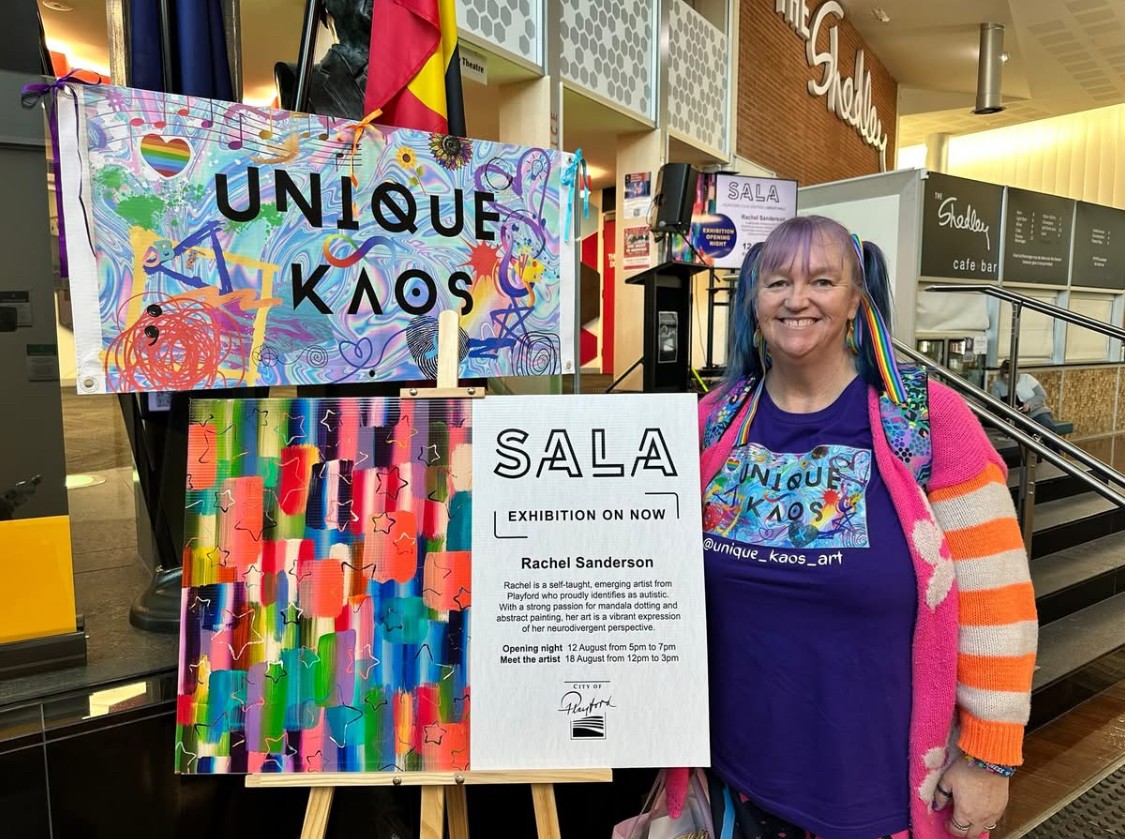
Occupational Therapy in Action: How Allied X Supported Rachel to Shine at Her Art Exhibition
When Rachel was referred to Allied X for a Functional Capacity Assessment (FCA), her occupational therapist, Harleen, noticed something meaningful straight away. Rachel had an upcoming art exhibition, a significant personal milestone that represented her identity, creativity and life goals.
Instead of limiting the assessment to a clinical setting, her OT used this real-world event as an opportunity to observe and support Rachel’s functional performance in an authentic environment. What followed was a powerful example of occupational therapy in action, grounded in person-centred practice, collaboration, and meaningful participation.
Understanding the Barriers Rachel Faced
Rachel experienced interrelated psychosocial, cognitive, sensory and environmental barriers that affected her ability to participate meaningfully in the exhibition. She experienced high anxiety, self-doubt and fear of being unprepared due to a sudden change in her long-term support team. She also had difficulties with planning, sequencing and decision-making, particularly when overwhelmed. Her heightened sensitivity to noise and visual clutter made the busy exhibition space more challenging, while the unfamiliar support team and noisy, unpredictable setup environment added further stress and uncertainty.
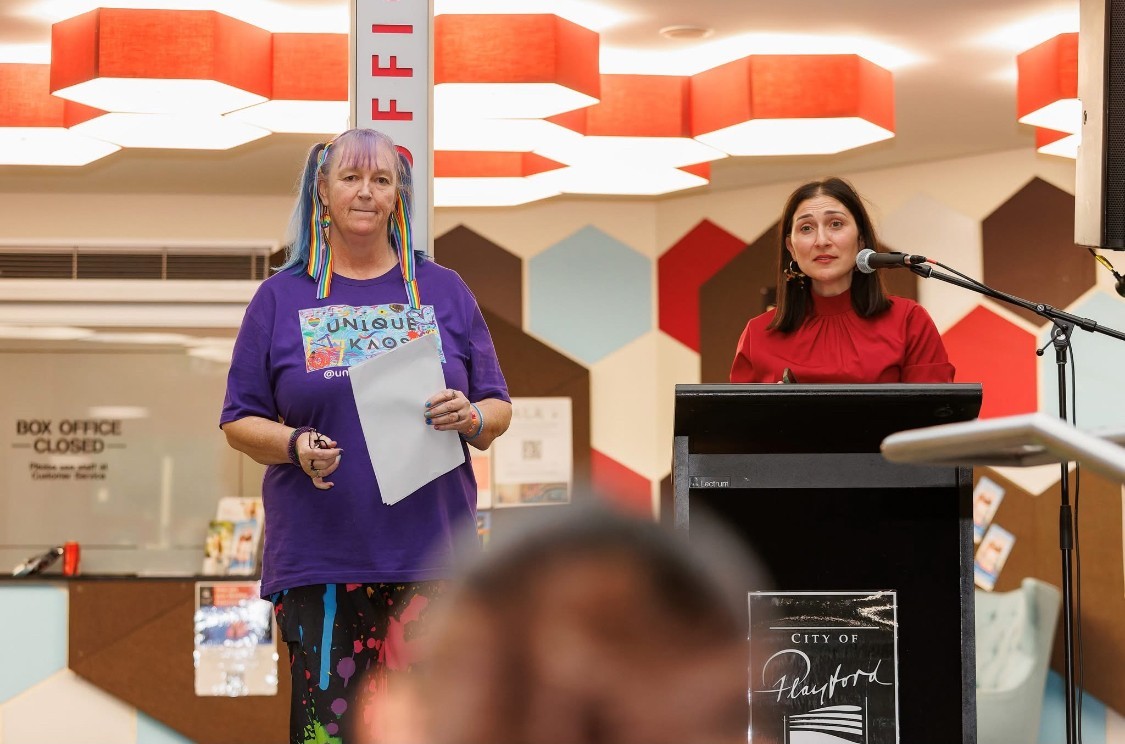
OT Planning in Real-World Settings: A Graded, Structured & Neuro-Affirming Approach
Rachel’s OT didn’t just assess her capacity, she supported her through the entire preparation process using a graded, structured and neuro-affirming approach.
Together, they developed a visual step-by-step plan that outlined each task leading up to the event, including artwork transport, venue setup, sensory preparation, and emotional supports. This plan wasn’t only logistical, it became a therapeutic scaffold for strengthening Rachel’s executive functioning, self-advocacy, emotional regulation, and confidence in a real-world environment.
Practical OT Strategies to Support Anxiety, Overwhelm and Sensory Needs
Throughout the exhibition setup, the OT used strategies tailored specifically to Rachel’s strengths, sensory profile and values, including:
- Breaking tasks into manageable steps (e.g., one artwork or one wall at a time)
- Guided decision-making using concrete, structured choices
- Environmental regulation, such as minimising visual clutter, encouraging hydration and movement breaks, and recommending noise-reducing headphones during loud periods
- Active co-regulation, including calm verbal reassurance, humour, and trauma-informed prompting
- Using familiar self-regulation tools, such as Rachel’s own tactile fidgets
These supports honoured Rachel’s autonomy and artistic identity. Instead of relying on generic anxiety tools she didn’t connect with, the OT built on strategies Rachel already found meaningful: structure, humour, tactile input and clear communication.
Working With Support Teams: A Collaborative, Trauma-Informed Approach
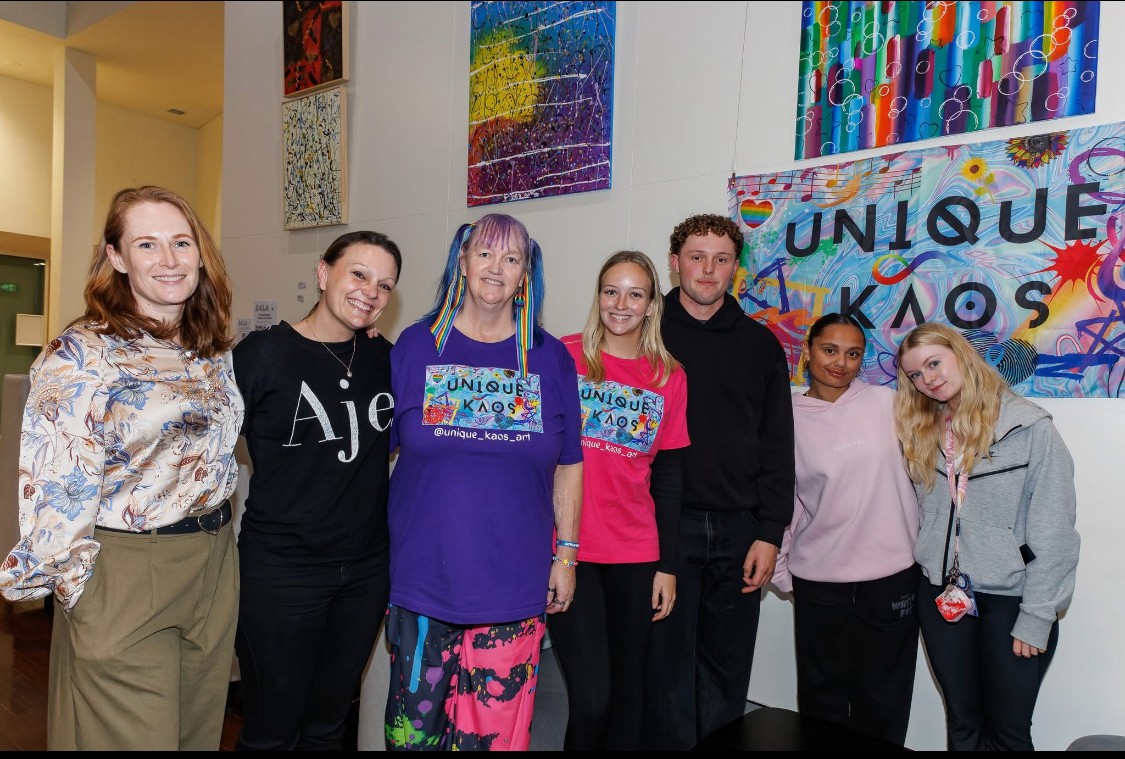
A key factor in Rachel’s success was the collaboration with her new support team, who were still learning her communication style, regulation strategies and sensory needs.
The OT provided coaching in trauma-informed and sensory-aware communication, and developed a clear shared action plan that outlined:
- roles for each support worker
- preferred communication cues
- how to manage transitions
- when to step back or offer prompting
This preparation created consistency and predictability which were essential for reducing Rachel’s anxiety and supporting her participation in a high-demand environment.
OT in Action: Real-Time Problem Solving
Two moments from the setup illustrate how responsive OT strategies helped Rachel stay grounded:
1. Decision overload with artwork placement
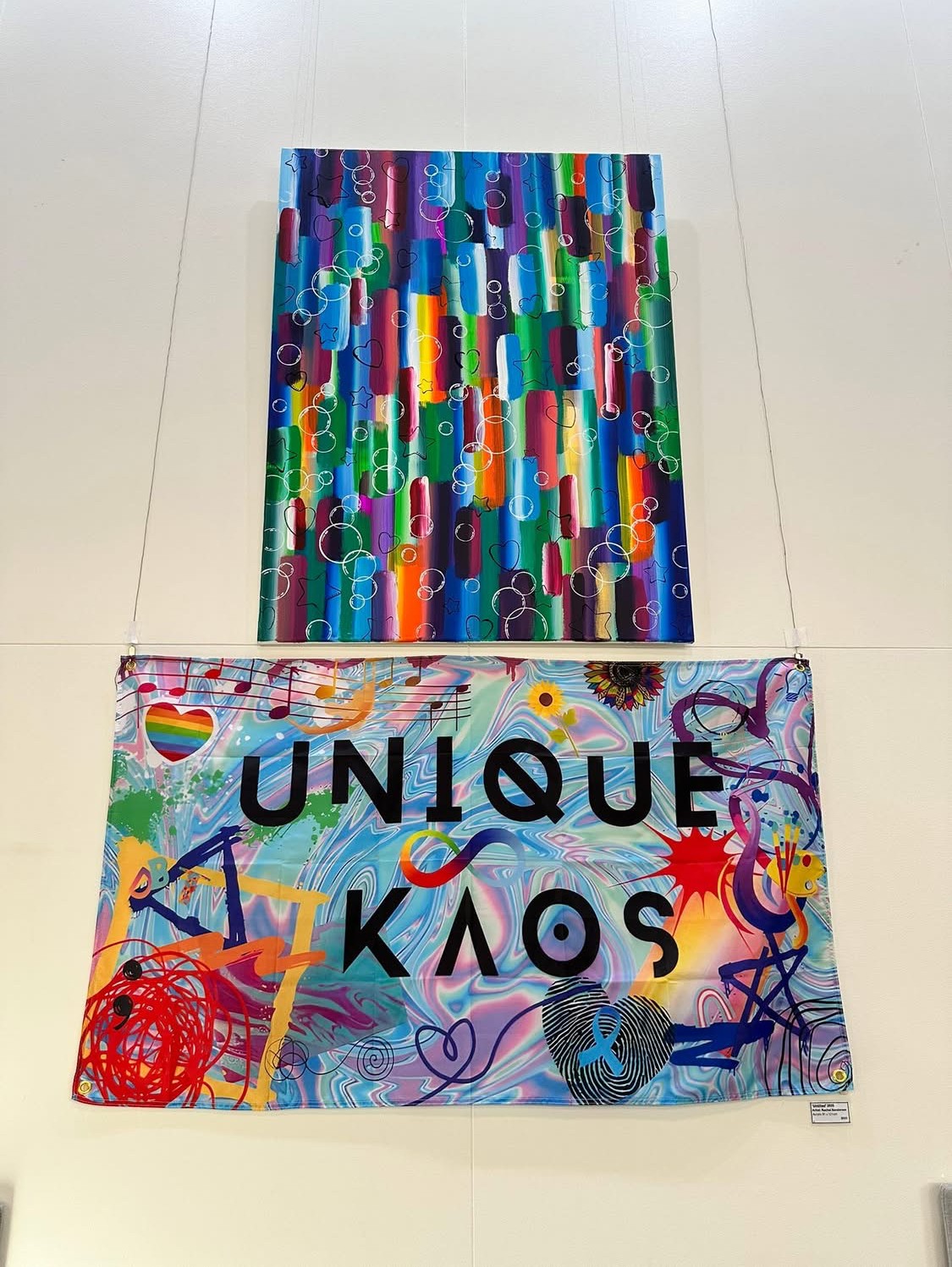
Rachel became overwhelmed when deciding where certain pieces should go. Instead of adding more verbal options, the OT placed the artworks in a few suggested positions (with her consent) and then talked through the visual reasoning behind each one. This helped Rachel make confident decisions without feeling overloaded.
2. Sensory overwhelm from loud equipment
When forklifts and venue noise increased, Rachel hesitated to use noise-reducing headphones because she didn’t want to look different. The OT reframed the headphones as a professional artist’s tool, explaining that many creatives use them during setup to stay focused. Rachel agreed, and her body visibly relaxed soon after.
These moments highlight how OT advocacy supports adaptive, values-aligned choices that protect autonomy while enabling participation.
Opening Night Success at the South Australian Living Artists Festival
With the right scaffolding in place, Rachel wasn’t just able to participate, she truly thrived.
She:
- made decisions about her artwork
- communicated her ideas clearly
- stayed regulated and engaged throughout the setup
- took ownership of her exhibition space
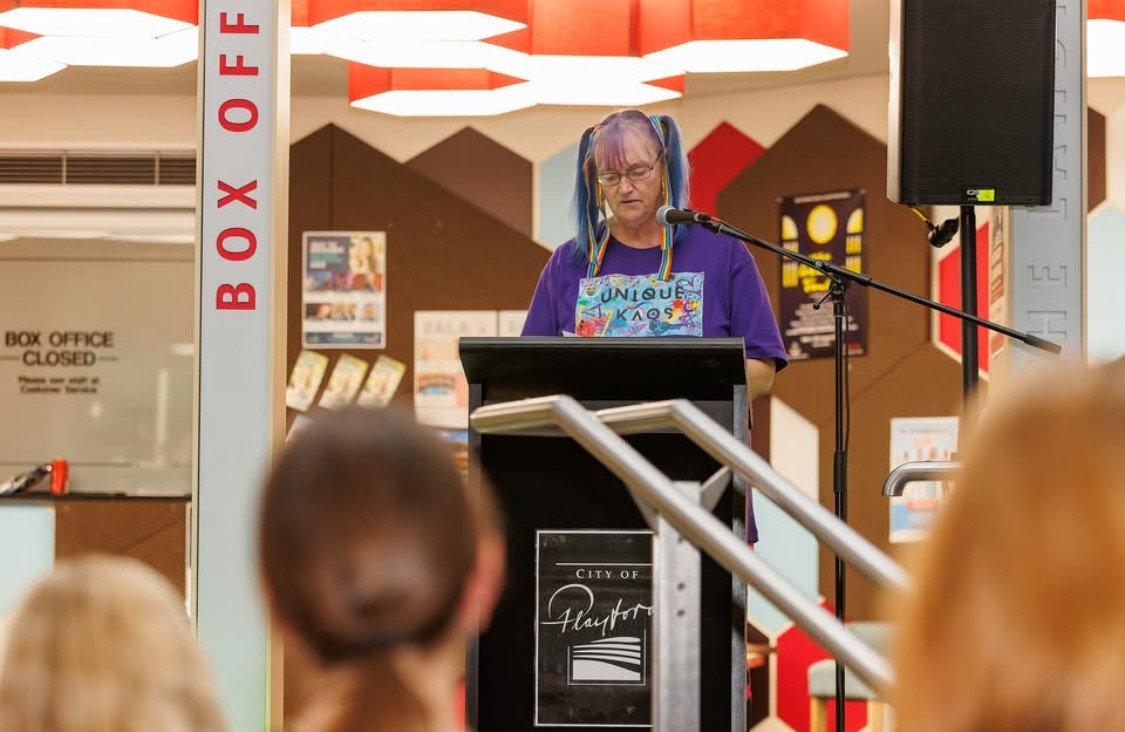
- and on opening night, delivered a short speech to the audience — something that reflected her confidence and pride
The OT strategies helped transform a potentially overwhelming experience into one that felt achievable, empowering and aligned with Rachel’s goals.
Why Occupational Therapy Matters
Rachel’s story shows the broader value of occupational therapy: enabling people to participate in the occupations that give their lives meaning.
By meeting Rachel in the environment where her meaningful occupation was taking place, her OT:
- translated a complex environment into manageable steps
- facilitated connection between Rachel and her support network
- strengthened her confidence and self-efficacy
- supported genuine, meaningful participation
This is occupational therapy at its core — practical, person-centred, values-driven work that helps people engage fully in their lives.
OT Support for NDIS Participants
At Allied X, we work closely with NDIS participants, families and support teams to deliver individualised, real-world OT support that reflects each person’s strengths, sensory profile and goals.
If you or someone you support could benefit from occupational therapy, we’re here to help.
Disclaimer
This story has been shared with the participant’s informed consent. Every therapy journey is unique, and outcomes vary depending on individual needs and goals.
