Allied X
Author
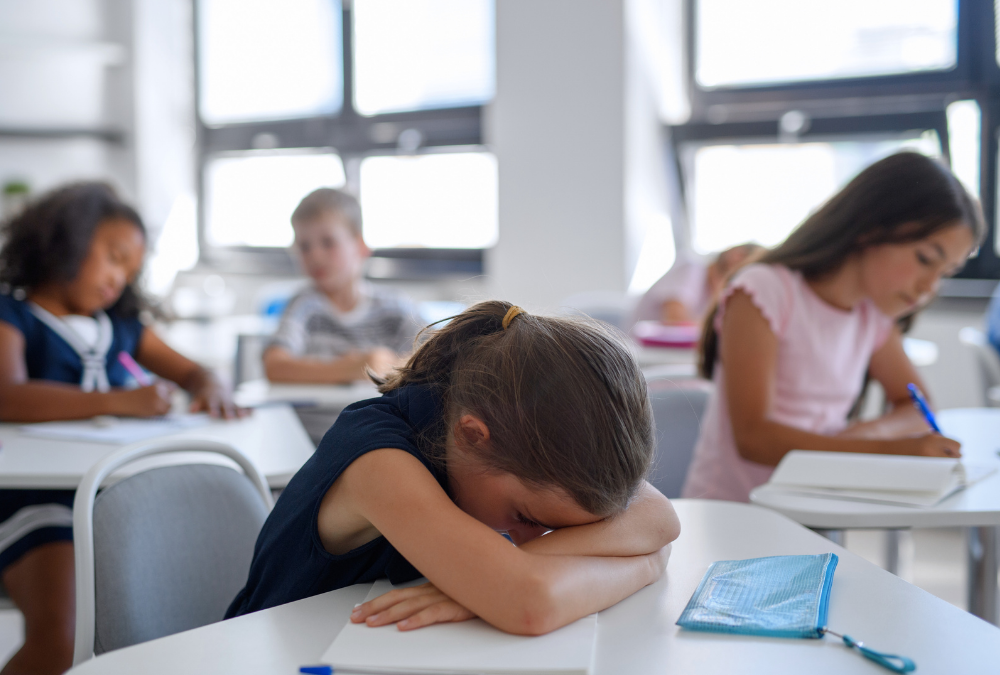
Understanding Anxiety in Children and Teens: When Is It More Than Worry?
- Behaviour Support
- Psychology
- Areas of Support
Every child worries from time to time. They might feel nervous before a school presentation, anxious about making new friends or hesitant to try something new. These feelings are a normal part of growing up and often pass once the situation is over.
However, when worry becomes frequent, intense or starts affecting everyday life, it may be a sign of something more. Understanding the difference between typical worries and ongoing anxiety in children can help families access support before it begins to impact a child's wellbeing, learning and relationships.
Whether you're a parent, caregiver or support coordinator, recognising the signs of anxiety is an important step towards helping children feel more confident and supported.
What Is Anxiety?
Anxiety is the body's natural response to stress or uncertainty. It helps us prepare for challenging situations and can even keep us safe in certain circumstances.
For children and teenagers, anxiety may be triggered by experiences such as:
- Starting a new school
- Sitting exams or completing assessments
- Meeting new people
- Changes at home
- Health concerns
- Trying unfamiliar activities
These worries are usually temporary. When anxious feelings become persistent or begin interfering with daily life, they may require additional attention.
When Does Child Anxiety Become More Than Normal Worry?
Knowing when to seek support isn't always easy.
A child's anxiety may be more than everyday worry if it:
- Happens regularly over several weeks or months
- Feels much stronger than the situation would normally cause
- Causes significant distress
- Prevents them from participating in school, family or community activities
- Affects sleep, eating or friendships
- Continues despite reassurance
Children don't always have the language to explain how they're feeling. Instead, anxiety often shows itself through emotions, behaviours or physical symptoms.
Common Anxiety Signs in Children and Teens
Recognising anxiety signs early can help families respond before worries become more overwhelming.
Physical signs
Children may experience:
- Frequent stomach aches
- Headaches
- Muscle tension
- Difficulty sleeping
- Fatigue
- Changes in appetite
These symptoms are genuine, even if medical tests don't identify a physical cause.
Emotional signs
You may notice:
- Excessive worrying
- Irritability
- Frequent crying
- Low confidence
- Fear of making mistakes
- Constant reassurance seeking
Behavioural signs
Children and teenagers may:
- Avoid school or social activities
- Become unusually clingy
- Withdraw from friends
- Refuse to try new experiences
- Have emotional outbursts
- Show perfectionistic tendencies
Teenagers may also hide their worries, making anxiety less obvious. Instead, you might notice changes in mood, declining school performance or avoiding activities they once enjoyed.
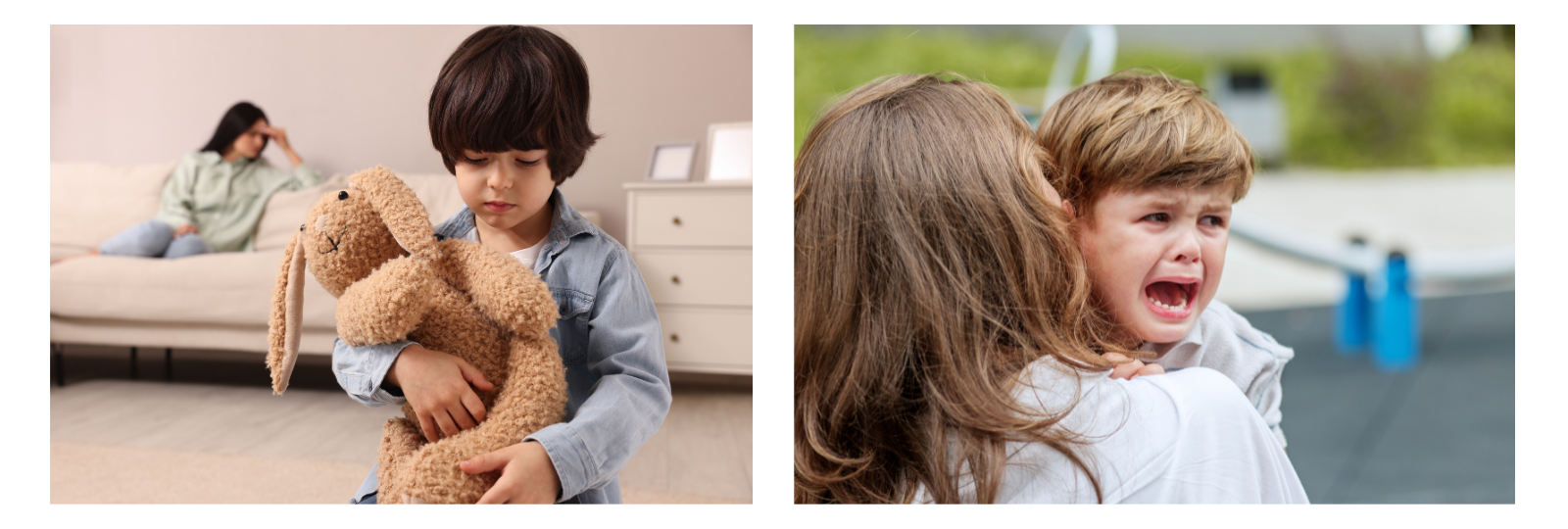
Why Anxiety Looks Different for Every Child
There is no single way child anxiety presents.
Some children become quiet and withdrawn, while others become emotional, frustrated or easily overwhelmed. Some continue to perform well at school but use so much energy managing their worries that they come home exhausted.
Children with autism, ADHD, communication differences or sensory sensitivities may also experience anxiety differently. Changes in behaviour, routines or emotional regulation can sometimes be the clearest signs that a child is struggling.
Looking beyond behaviour and considering what a child may be experiencing emotionally often leads to more effective support.
What Can Contribute to Anxiety?
There is rarely one single cause.
Instead, anxiety often develops through a combination of experiences and individual factors, including:
- Family history of anxiety
- Bullying
- Academic pressure
- Major life changes
- Difficult social experiences
- Sensory sensitivities
- Trauma or stressful events
Every child's experience is different, which is why understanding the whole picture is so important.
How Anxiety Can Affect Everyday Life
Persistent anxiety in children can influence many aspects of development.
It may affect:
- Learning, making it harder to concentrate, participate or complete schoolwork.
- Friendships, as children may avoid social situations or worry about being judged.
- Independence, making everyday activities like attending school, sleeping alone or trying new experiences feel overwhelming.
- Emotional regulation, reducing a child's ability to cope with frustration, disappointment or unexpected changes.
Without support, these challenges can gradually impact confidence and participation across home, school and the community.
How Parents Can Support an Anxious Child
Parents and caregivers play an important role in helping children build confidence and resilience.
Some helpful strategies include:
- Listening without immediately trying to solve the problem
- Acknowledging and validating their feelings
- Maintaining predictable routines
- Encouraging small, achievable challenges
- Praising effort rather than perfection
- Modelling healthy ways to cope with stress
- Keeping communication open and supportive
The goal isn't to remove every challenge. Instead, it's to help children develop the skills and confidence to face them over time.
When Should You Seek Support?
If you're unsure whether your child's worries are typical or becoming more significant, it's okay to ask for professional advice.
Consider seeking support if anxiety:
- Persists for several weeks or longer
- Interferes with school attendance or learning
- Affects friendships or family relationships
- Leads to frequent physical complaints
- Causes ongoing distress
- Prevents your child from enjoying everyday activities
Early support can help children develop practical coping strategies before anxiety has a greater impact on their daily life.
Supporting Children's Mental Health Starts with Understanding
Every child experiences worry differently. While many worries are a normal part of growing up, ongoing anxiety can affect a child's confidence, relationships and ability to participate in everyday life.
Recognising the signs early allows families to respond with understanding and access the right support when it's needed. With the right strategies and guidance, children can develop the skills to manage anxiety, build resilience and thrive.
At Allied X, we support children, teenagers and families through a multidisciplinary approach that includes psychology, occupational therapy, speech pathology, behaviour support and physiotherapy. With clinics across Sydney, the Gold Coast and Adelaide, our team is here to help children build confidence, develop practical coping skills and achieve their individual goals.
If you're concerned about your child's anxiety or would like to learn more about how we can support your family, get in touch with Allied X today.
